

Footwears Inspection
SIT is your go-to partner for comprehensive inspection and quality assurance services in the dynamic world of footwear. With our deep expertise and industry knowledge, We are committed to ensuring the highest standards of quality and compliance in the footwear industry.
The footwear industry is a vibrant and constantly evolving sector encompassing many products, from trendy fashion shoes to high-performance athltic footwear.As consumer demands continue to shape this dynamic market, it becomes crucial for manufactures and brands to uphold impeccable quality standards and deliver products that not only meet but exceed customers expectations. SIT provides a wide range of quality assurance for footwear, ensure that your footwear meets consumer safety standards and regulatory requirements of your destination market, help ensure compliance of their products mechanical,physical, and chemical propertise to international standards.
Key Inspection Procedure for Footwears Inspection
> Careful measurement and fitting check of shoe’s insole length, insole width, toe lift, heel height and back height for proper fitting, symmetry and sizing requirements
Common Footwears Defects and Their Classification
1. Critical Defects
Definition: Critical defects pose safety hazards to the user or violate legal and regulatory standards. These defects render the footwear unsafe or completely unfit for use.
Examples of Critical Defects:
Sharp objects (needles, nails, or metal pieces) left inside the shoe
Detached soles that could cause slipping and injuries
Excessive toxic chemical residues in materials
Misleading labeling (e.g., incorrect size, material composition, or safety information)
Unstable heel attachment that could result in falling
Extreme structural failures that make the shoe unwearable
2. Major Defects
Definition: Major defects significantly impact the usability, durability, or aesthetic appeal of the footwear. They may not pose immediate safety risks but can lead to customer dissatisfaction, product returns, or warranty claims.
Examples of Major Defects:
Misaligned soles or uppers, affecting balance and comfort
Loose stitching or unfinished seams
Excessive glue marks or poorly bonded sole and upper
Cracked leather or peeling synthetic materials
Non-functional zippers, Velcro, or laces
Significant shape distortion causing discomfort
3. Minor Defects
Definition: Minor defects are small imperfections that do not impact the overall functionality or performance of the footwear but may affect the perceived quality.
Examples of Minor Defects:
Slight scratches or scuffs on the shoe surface
Small stains or discolorations
Minor stitching irregularities
Slight misalignment of logos or branding elements
Wrinkles in leather or synthetic material due to handling
Why Choose SIT?
We have been offering quality-assurance inspection solution of footwears in Asia for global footwear brands, distributors and retailers. Our quality-assurance inspection service has been designed to minimize risk and ensure the highest levels of quality and accuracy, Also.Our experienced professionals offer you the experience, expertise, knowledge and diplomacy necessary to help clients reducing costs, and enhancing competitiveness.
How We can Help You with Footwears Inspection
SIT Quality Assurance is strategically to help importers, buyers, traders, retailers and startups with quality control, quality inspection and factory audit operations.
The quality-assurance inspection process for footwears at SIT is an essential step in ensuring the quality of products before they are shipped to customers. The inspection process typically involves the following steps:
1. PSI/FRI: Pre-shipment inspection/Final Random Inspection was conducted on [date] at [factory]. AQL [Major 2.5 / Minor 4.0] applied, total [X] pcs sampled from [Y] pcs. Result: PASS / FAILED.
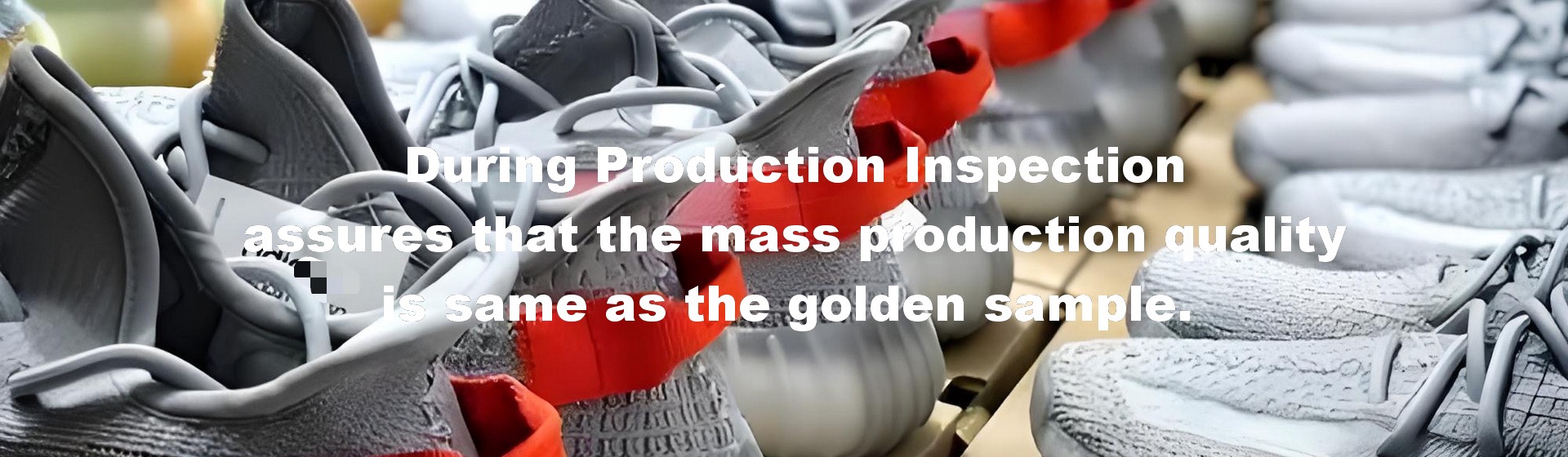
2. FAI:First article inspection carried out on the initial sample. All dimensions and appearance were verified against the approved drawing and golden sample. Result: conforming / deviations found.
3. IPI: Initial production inspection performed at approx. 15% production completion. Workmanship and process were checked; early-stage issues were identified and reported to the factory for correction.
4. DPI: During production inspection at 50% completion. Production status and quality trend monitored; [n] non-conformities recorded.
5. Full Inspection:100% inspection of all [X] units. [n] defective units were found and segregated on site.
6. CLS: Container loading supervised. Container No. [xxx], Seal No. [xxx], total [X] cartons loaded. Photos of empty container, loading process and sealed container attached.
Conclusion
At SIT. Quality -assurance inspection is essential for the footwear industries to ensure that the products meet the necessary safety, quality, and performance standards. SIT play an important role in providing comprehensive quality-assurance solutions for the industry. By partnering with a trusted SIT, footwear manufacturers and retailers can ensure that their products meet the required standards and regulations, and maintain their reputation for quality and safety.