

Furnitures Inspection
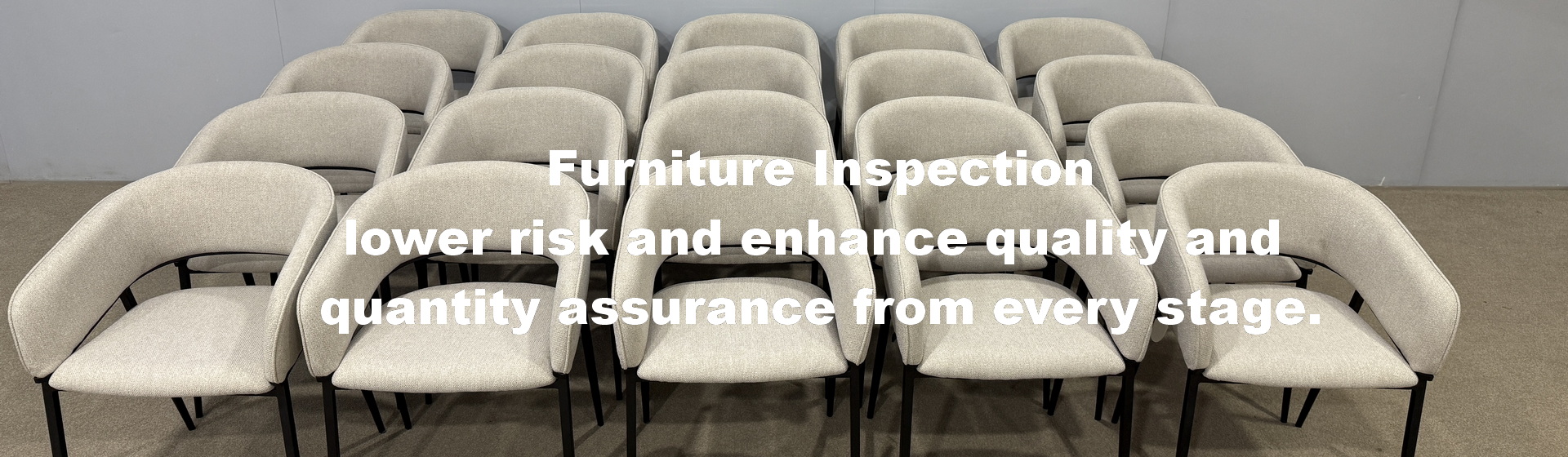
Quality and safety are paramount when it comes to furniture industry. SIT offers comprehensive furniture inspection is designed to ensure that your products meet the highest standards of safety, functionality, and aesthetic appeal. Whether you are a manufacturer, agent or retailer, our furniture inspections help identify potential issues/defects before they reach the consumers, protecting your brand reputation and ensuring customer satisfaction.
SIT Furniture Expertise
Furniture is a common feature in our homes and offices and is a reflection of our personal style and economic circumstances. Furniture manufacturing in major manufacturing countries and globally poses significant challenges for retailers and e-tailers who must remain innovative while continuing to ensure consumer safety and satisfy demanding time-to-market obligations. Proactive management of furniture quality control is crucial to meeting these challenges and optimizing supply chain performance.
SIT offers furniture inspection services at every stage of the supply chain: from sourcing new suppliers, through to in-process furniture quality control and final shipment. Our expertise includes product categories such as indoor, outdoor, or contractual furniture made of wood, plastic, metal.
SIT verifies the quality, specifications, functions, safety, and compliance of your furniture with relevant standards. We check compliance based on US, EU, and dozens of other specific standards including ISO, EN 581 for outdoor furniture; EN1728& EN22520 for domestic furniture; EN-1335 & BIFMA for office furniture, EN 71 for Children furniture on so on.
What Does a Furniture Inspection Include by SIT?
Our quality-assurance experts travel to your manufacturing facility in China and other countries, or elsewhere within our coverage area. They conduct a series of tests and checks based on your customized checklist which we develop collaboratively. These can include:
> Packaging & Labeling: to verify that all markings are correct and furniture products are protected from damage.
> All accessories check-II: Based on parts list on instruction sheet, no missing.
> Visual Inspection:to ensure products meet all aesthetic requirements and match approved samples. For example, verifying they are free of splinters or chipping, have a smooth surface, and are free of cracks.
> Assembly check:Follow product instruction and ease for assembly- 3~5pcs per item
> Humidity check-S1:
Check 3 points per pc and take the average data :(a+b+c)/3.
For indoor products shall be within 7%-12%;
For outdoor products shall be within 8%-14%
> Functional Tests: to confirm that the consumer will be able to assemble and use the product as expected. Filed test including function application test, static loading test, stability check, Vertical static loading, Seat impact test, breaking test for tempered glass, moisture check ,.
> Physical Requirements: to ensure that all measurements are accurate and align with product specifications. For example, verifying length, width, height, and product weight.
> Static loading test for chair-S1:300lbs per seating for 1 hour. No obvious deformation
> Stability test: Put unit onto a 10 degree incline, and rotate 360° slowly, cannot tip over.
> Wobble test: Place samples onto a flat glass surface, no wobble.
> Finger Entrapment (if applicable)-S1: The acceptable safety space should smaller than1/4 inch or bigger than 1/2 inch. Then the finger will not be harmed.
> Leg Strength (Front / Side).- S1: 75 lbs. applied to the leg at 1 In. From the end of the leg. Force is applied in four directions (forward, rearward, side and side).
> Durability Of Folding Mechanism (If Applicable)-S1:The chair shall be opened and closed as intended for 3 cycles.
> Loading Test is applied distributed on the surface. Test load based on sq. ft. not to exceed200 lbs.
4 sq. ft., 10lbs. / sq. ft.;
4sq. ft., 20lbs. / sq. ft.
Max. 1/4 in deformation or no malfunction in any component
> Stability Test-S1
> Test load is applied 1 In. from the edge on 12 In. disc.
Max. 1/4 in deformation or no malfunction in any component.
> Drop Impact Test (for table)-S1
Furniture Test:One end of table is dropped from a height of 10 In.
Most Common Type of Defects Related to Furniture Quality Control
At SIT, we are fully committed to providing a comprehensive range of quality-assurance inspection procedures that epitomise excellence throughout the entire manufacturing process. Through meticulous evaluations of raw materials and rigorous examinations of finished products, we maintain an unwavering commitment to upholding crucial quality standards and specifications.
> Material Flaws: Material-related defects include cracks, voids, porosity, or inclusions in the metal, plastic, or composite materials used in the hardware or tool. These flaws can weaken the structural integrity and compromise the overall performance and safety.
> Poor Assembly or Fastening: Defects in assembly or fastening can result in loose components, misalignments, or insufficient tightening of screws, bolts, or other connecting elements. This can lead to reduced functionality, increased wear and tear, or even safety hazards.
> Insufficient Strength or Durability: This type of defect relates to hardware or tools that do not meet the required strength or durability standards. It can manifest as breakage, deformation, or premature wear under normal or expected operating conditions.
> Functional Issues: Functional defects can include problems with moving parts, handles, grips, or mechanisms that affect the proper functioning of the hardware or tool. This can result in reduced efficiency, accuracy, or overall performance.
> Safety Hazards: Defects that pose safety risks include sharp edges, inadequate protective features, or improper insulation. These defects can endanger users and may lead to accidents, injuries, or property damage.
> Dimensional Inaccuracies: This refers to deviations from the specified dimensions, such as incorrect lengths, widths, or thicknesses. Dimensional inaccuracies can lead to improper fits, functional issues, and compromised performance of the hardware or tool.
> Surface Imperfections: Surface defects include scratches, dents, burrs, pits, or rough finishes on the exterior or functional surfaces of the hardware or tool. These defects can affect aesthetics, functionality, and durability.
> Inadequate Packaging or Labeling: Deficiencies in packaging or labeling can result in damage during transportation, incorrect identification, or lack of necessary instructions for proper use or maintenance.
> Corrosion or Rust: Corrosion or rust can occur when the hardware or tools are exposed to moisture or corrosive environments, leading to degradation of the material and compromised performance.
> Inadequate Lubrication: Insufficient or improper lubrication can result in increased friction, wear, and reduced functionality of moving parts in hardware and tools.
> Poor Electrical Connections: Defects related to electrical connections, such as loose or faulty wiring, can impact the electrical performance or safety of tools and equipment.
> Improper Calibration: Tools that are not properly calibrated may provide inaccurate measurements or readings, compromising their reliability and usability.
> Incorrect Hardness or Material Strength: If the hardness or material strength of hardware and tools does not meet the required specifications, they may be prone to deformation, breakage, or reduced durability.
> Manufacturing Process Defects: Issues in the manufacturing process, such as improper heat treatment, casting or molding defects, or poor machining, can lead to various defects in the final hardware or tools.
> Lack of Compliance with Safety Standards: Defects related to non-compliance with safety standards, such as inadequate safety guards, absence of warning labels, or failure to meet ergonomic guidelines, can pose risks to users.
> Inaccurate or Missing Markings: Defects in markings, such as incorrect measurements, missing product information, or illegible labels, can cause confusion or hinder the proper use of hardware or tools.
> Poor Ergonomics: Hardware or tools that do not consider ergonomic factors may lead to user discomfort, fatigue, or an increased risk of repetitive strain injuries.
> Improper Functionality or Compatibility: Defects related to functionality or compatibility include tools that do not perform as intended, fail to fit or interface with other components, or lack the necessary features for their intended applications.
> Lack of Documentation or Instructions: Insufficient documentation, user manuals, or instructions can make it challenging for users to understand the proper operation, maintenance, or safety precautions associated with the hardware or tools.
The Key Aspect of Furniture Inspection
• Dimensional Measurement
• Material Analysis
• Color & Grain Inspsection
• Structure Inspection(joints)
• Appearance Inspection
• Reliability and Durability Testing
• Visual Inspection
• Odour check
• Stability Test
• Load Bearing Test.Static Loading Test
• Durability/Fatigue Test
• Impact Test
• Drop Test
• Hardware Function Test
• Glue Adhesion/Glue Strength Test
• Color Fastness Testing
• Formaldehyde Emission Test
• Sharp Edge & Point Test
Why Choose SIT?
SIT quality-assurance experts ensure furniture quality, safety, and compliance with standards, which helps reduce risks, costs, and potential damage to brand reputation. It validates that the finished products and raw materials meet specifications, allows for early correction of issues, and builds customer confidence by ensuring durability and safety.
Key benefits of choosing a furniture inspection service:
> Ensures quality and compliance: Inspections verify that products meet quality, safety, and durability standards, including specific customer requirements and international regulations.
> Prevents safety hazards: Inspectors check for hazards like sharp edges or unstable structures and ensure components comply with safety standards, which protects users and minimizes risks.
> Reduces costs and risks: Early detection of issues during production prevents costly rework, returns, and warranty claims. It also reduces the risk of production failure and after-sale issues.
> Protects brand reputation: Delivering defect-free products to customers builds trust and confidence, which is vital for maintaining a positive brand image in a competitive market.
> Improves supply chain efficiency: Identifying and correcting problems early in the supply chain minimizes delays and costly rework, making the process more efficient.
> Provides expert support:A professional inspection can offer expert guidance through product development and provide detailed reports to facilitate cooperation and resolve issues between clients and manufacturers.
> SIT offers a comprehensive range of checks: A good inspection service can cover every stage, from pre-production checks on raw materials to final random inspections of finished goods, including assembly, finish, packaging, and labeling.
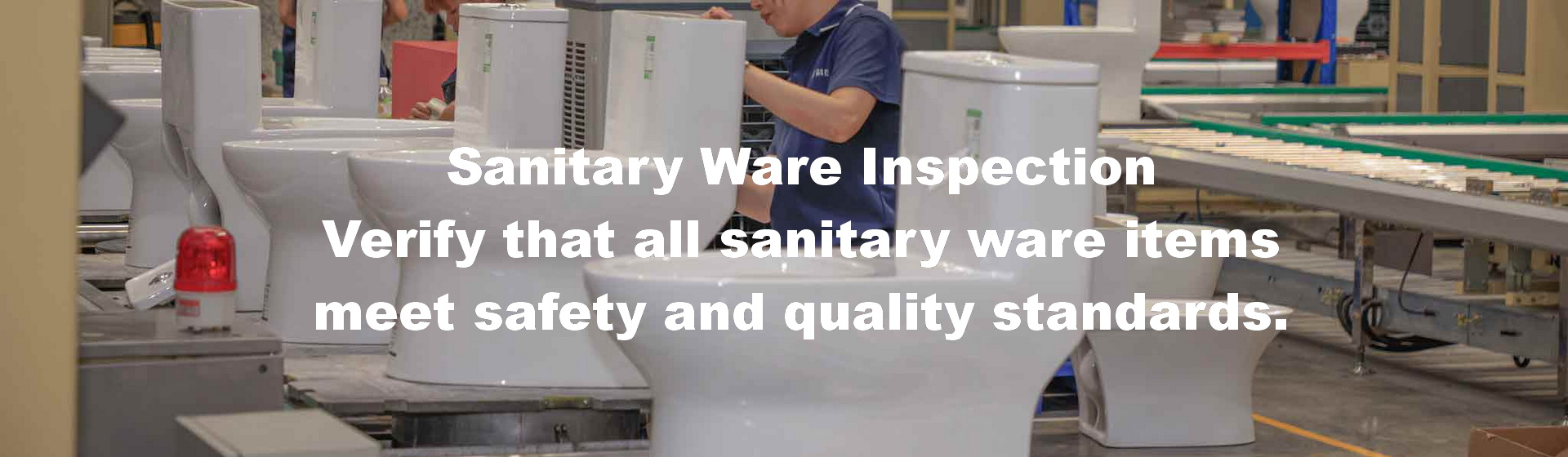
Furniture inspection involves checking for defects and ensuring proper functionality through visual, dimensional, and performance tests. This process includes verifying furnitures’ physical attributes like surface finish and dimensions, confirming it meets safety and performance standards through functional and stress tests, and checking for issues like corrosion, wear, or incorrect labeling. Regular inspections are crucial for preventing equipment failure, ensuring safety, and maintaining efficiency.
How We can Help You with Furniture Inspection
SIT Quality Assurance is strategically to help importers, buyers, traders, retailers and startups with quality control, quality inspection and factory audit operations.
The quality-assurance inspection process for furniture at SIT is an essential step in ensuring the quality of products before they are shipped to customers. The inspection process typically involves the following steps:
1. PSI/FRI: Pre-shipment inspection/Final Random Inspection was conducted on [date] at [factory]. AQL [Major 2.5 / Minor 4.0] applied, total [X] pcs sampled from [Y] pcs. Result: PASS / FAILED.
2. FAI:First article inspection carried out on the initial sample. All dimensions and appearance were verified against the approved drawing and golden sample. Result: conforming / deviations found.
3. IPI: Initial production inspection performed at approx. 15% production completion. Workmanship and process were checked; early-stage issues were identified and reported to the factory for correction.
4. DPI: During production inspection at 50% completion. Production status and quality trend monitored; [n] non-conformities recorded.
5. Full Inspection:100% inspection of all [X] units. [n] defective units were found and segregated on site.
6. CLS: Container loading supervised. Container No. [xxx], Seal No. [xxx], total [X] cartons loaded. Photos of empty container, loading process and sealed container attached.
Conclusion
At SIT. Quality -assurance inspection is essential for the furniture industries to ensure that the products meet the necessary safety, quality, and performance standards. SIT play an important role in providing comprehensive quality-assurance solutions for the industry. By partnering with a trusted SIT, furniture manufacturers and retailers can ensure that their products meet the required standards and regulations, and maintain their reputation for quality and safety.